
CVE Center Participates in Hedayah’s 2026 International Research Conference in Malta

CVE Center Counducts Awareness Sessions to Strengthen the Capacitites of Police Officers at the Elbasan Local Police Directorate on Early Signs of Radicalization
14/10/2026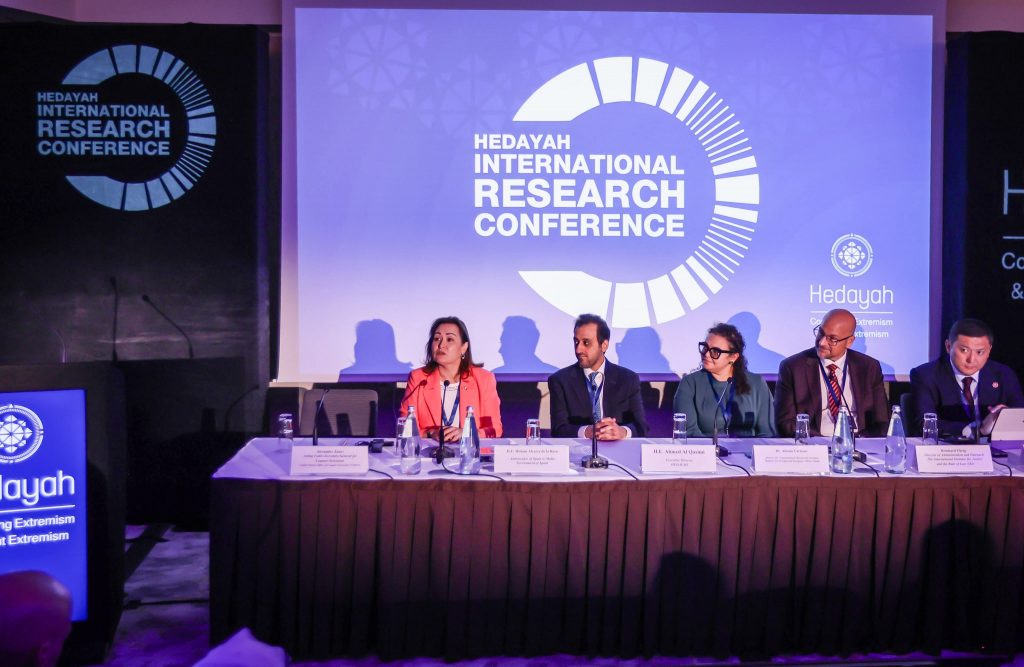
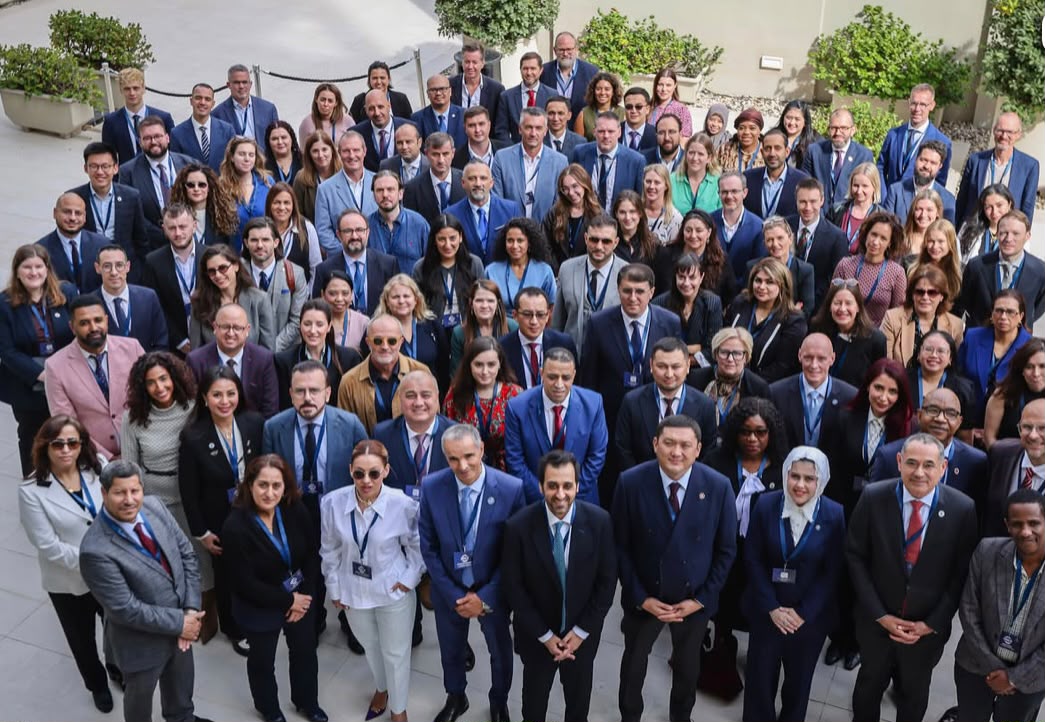
The Coordination Center for Countering Violent Extremism (CVE Center) is participating in Hedayah’s 2026 International Research Conference (RC26), taking place from 26 to 28 October 2026 in Valletta, Malta, under the theme “Together for Safer, Stronger and More Inclusive Communities”.
The conference brings together institutional representatives, international organisations, researchers, experts and practitioners working in security and the prevention of violent extremism. It provides a platform for exchanging research findings and practical experience, as well as discussing emerging challenges and contemporary approaches to preventing radicalisation and terrorist recruitment.
In his opening remarks, Mr Ahmed Al Qasimi, Executive Director of Hedayah, highlighted the importance of scientific research and knowledge exchange in strengthening global efforts to prevent violent extremism. He emphasised the need to translate research findings into effective policies, programmes and training tailored to evolving challenges and community needs.
Particular attention has been given to the use of the internet, social media and artificial intelligence by extremist and terrorist actors. Discussions have examined the impact of algorithms and new technologies on the dissemination of propaganda, recruitment and the exploitation of vulnerable individuals and communities.
Discussions to date have highlighted that challenges in the digital environment transcend national borders and require an integrated approach that combines online interventions with preventive and supportive action at the community level. Particular emphasis has been placed on developing policies informed by evidence and research findings, adapted to national and regional contexts, and on cooperation among public institutions, civil society, educators, young people, community leaders and the technology sector.
Representatives of the United Nations Office of Counter-Terrorism (UNOCT) have emphasised that preventing terrorist recruitment requires addressing the factors that increase individual vulnerability, upholding human rights and the rule of law, and engaging a broad range of institutional and societal actors.
Another key theme is the rehabilitation, reintegration and resocialisation of individuals returning from conflict zones in Syria and Iraq. Discussions emphasized the need for sustained cooperation among responsible institutions, social services, justice sector bodies, civil society organisations and specialised professionals. Such cooperation is essential to delivering coordinated interventions tailored to individual needs and supporting long-term reintegration.
Thematic panels and interactive sessions have provided opportunities to discuss practical challenges, exchange professional perspectives and identify good practices that can be adapted to different contexts.
For the CVE Center, participation in this conference contributes to expanding cooperation with international partners and exchanging knowledge that supports efforts to prevent violent extremism and advance rehabilitation, reintegration and resocialisation processes. The experience and findings shared during the conference inform the improvement of preventive approaches, stronger interinstitutional coordination and the development of research-informed interventions.
Preventing violent extremism requires sustained investment in people, communities and partnerships, alongside policies that strengthen security, inclusion and societal resilience.