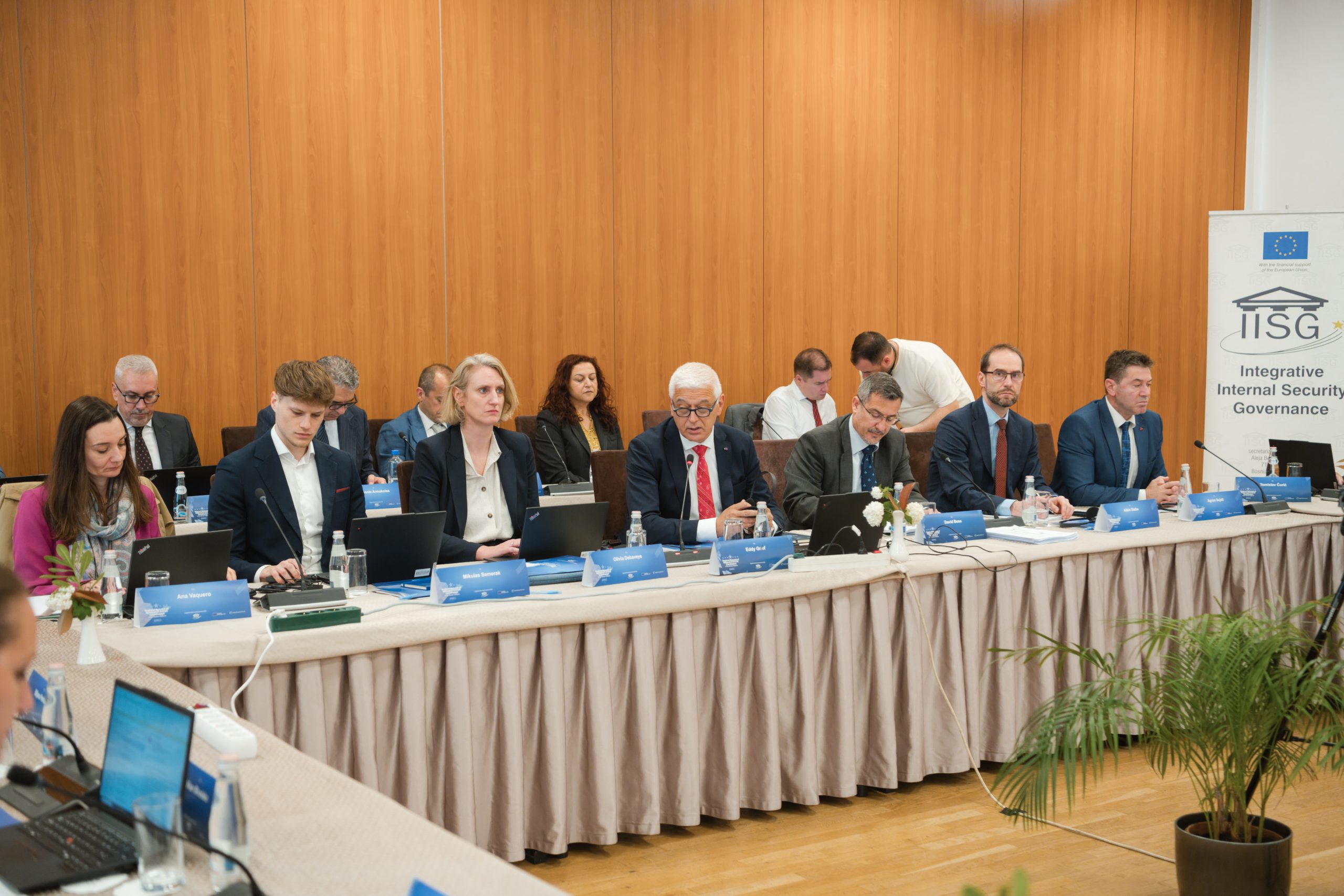

The 19th Meeting of the Regional Network of National Coordinators on P/CVE (RNNC)

Center for Countering Violent Extremism Welcomes the Regional Network of P/CVE Coordinators from the Western Balkans for Exchange of Experiences in Preventing Violent Extremism
24/04/2026
Lunch of the new EU- funded Project “Improving the resilience of critical entities and the protection of public spaces and cyberspace against security threats in the Western Balkans” (WB CEPS & Cyber).
05/05/2026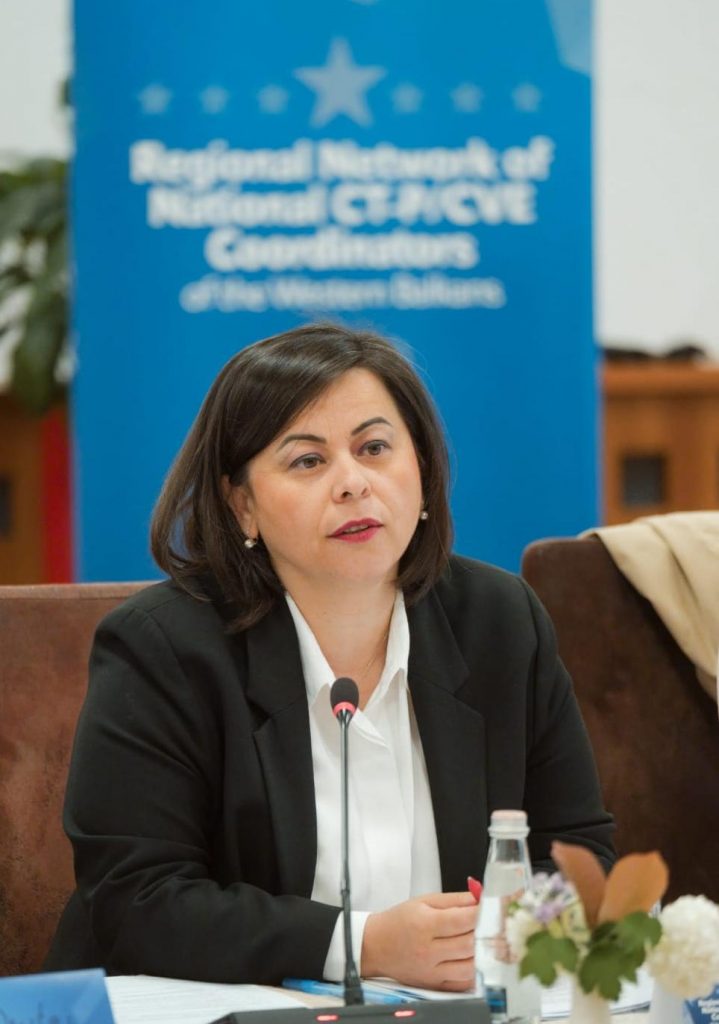
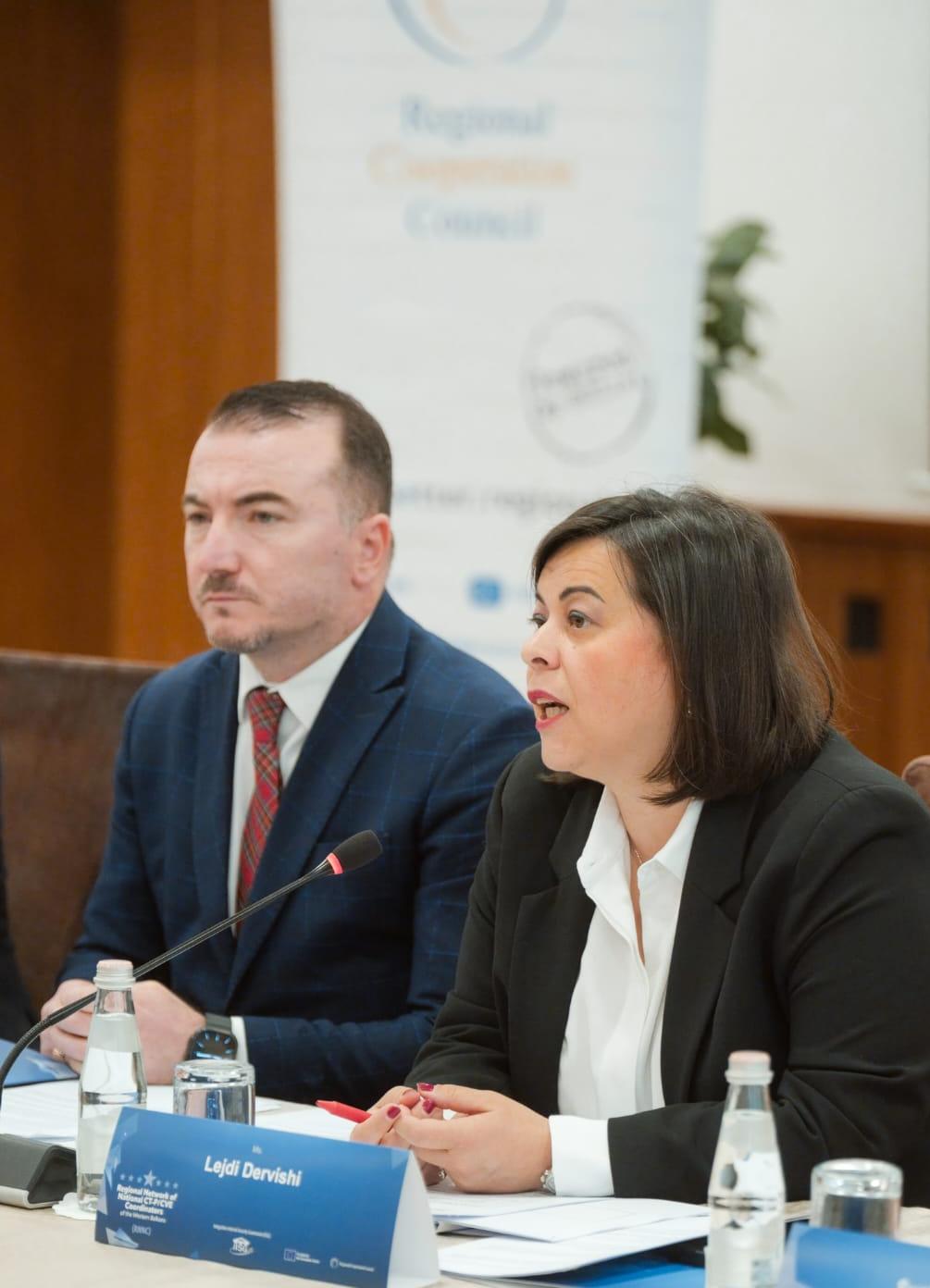
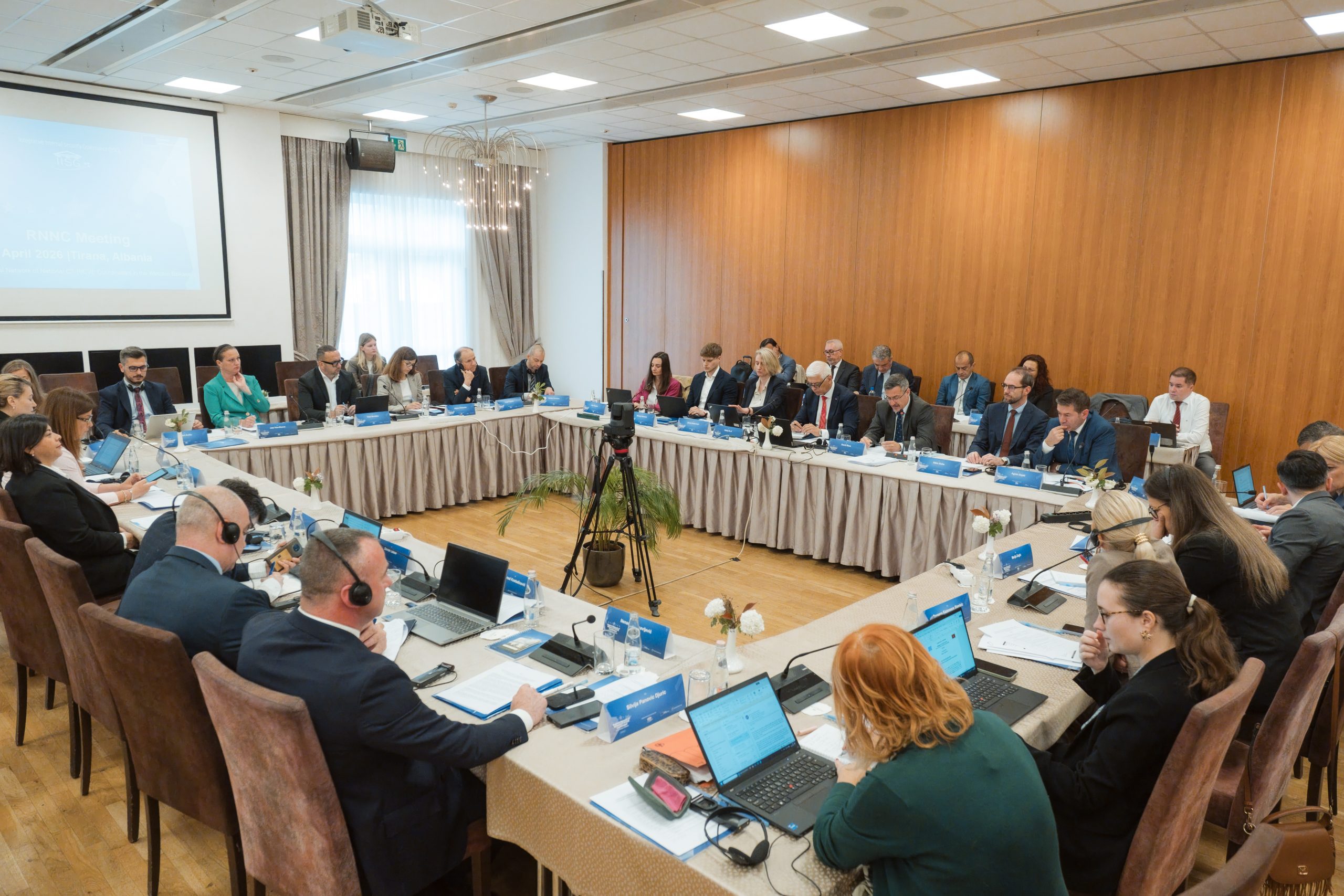
The Albanian National Coordinator on the Prevention and Countering of Violent Extremism (P/CVE), Ms. Lejdi Dervishi, participated in the 19th Meeting of the Regional Network of National Coordinators on Preventing and Countering Violent Extremism (RNNC) that took place in Tirana, Albania on April 22, 2026.
Organized by the European Commission in cooperation with the Integrative Internal Security Governance (IISG), the meeting brought together National Coordinators on P/CVE from all six Western Balkan countries. It served as an important platform for information exchange and the strengthening of regional cooperation.
The welcoming remarks on behalf of the Albanian representatives were delivered by the National Coordinator on P/CVE, Ms. Dervishi and the Director of the Counter Terrorism Directorate, Mr. Alban Dautaj, who provided an overview of the current situation in Albania regarding violent extremism and terrorism.
In her address, Ms. Dervishi emphasized the importance of inter-institutional cooperation and provided an overview of the work carried out by the Coordination Centre on Countering Violent Extremism (CVE Center) regarding the rehabilitation, reintegration, and resocialization processes of individuals returned from conflict zones, as well as an update on the initiatives undertaken in the field of prevention. Ms. Dervishi also highlighted the CVE Center’s active contribution and engagement in the drafting process of the National Roadmap of the Joint Action Plan on Preventing and Countering Terrorism and Violent Extremism (JAP II), with particular emphasis on Objective II.
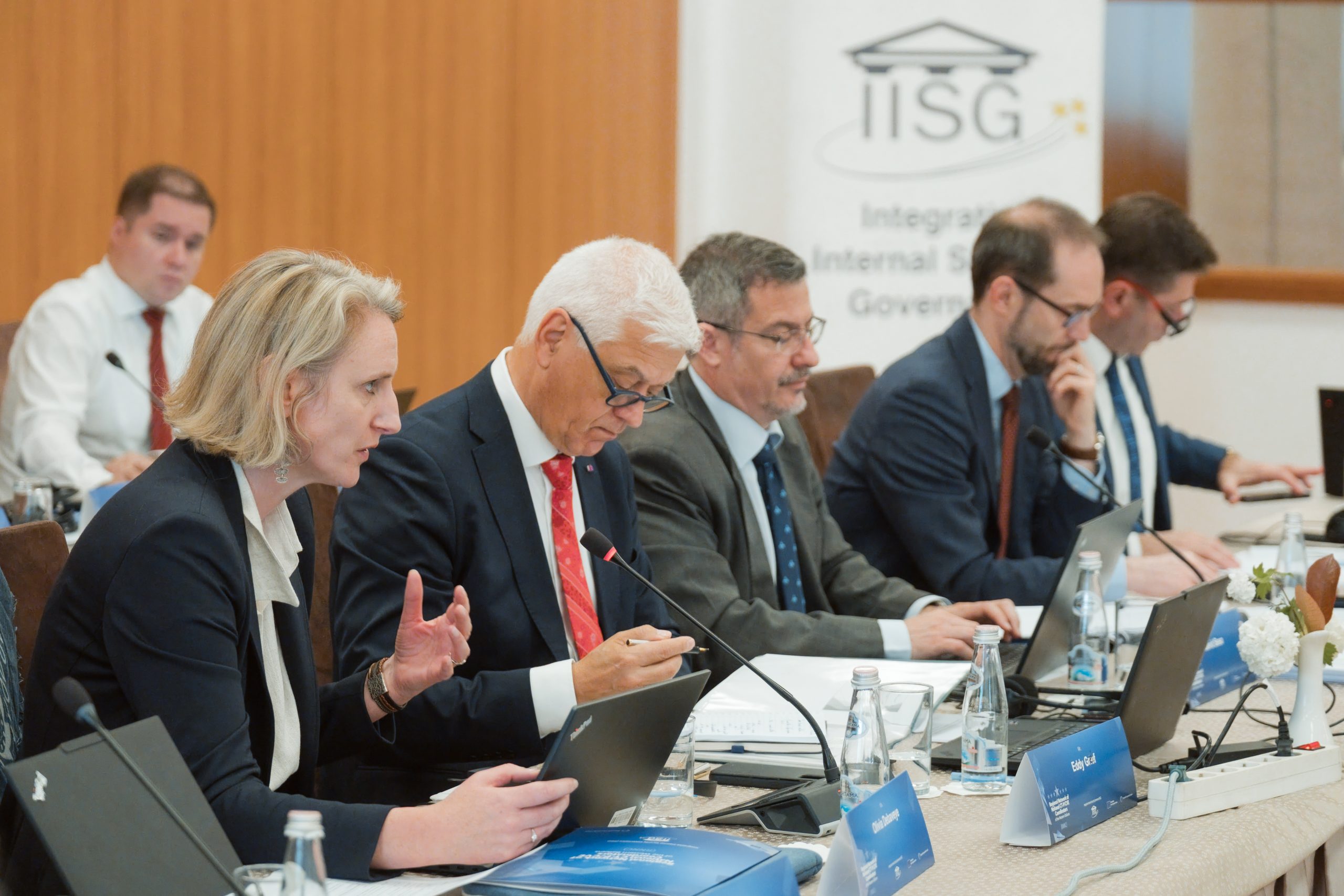
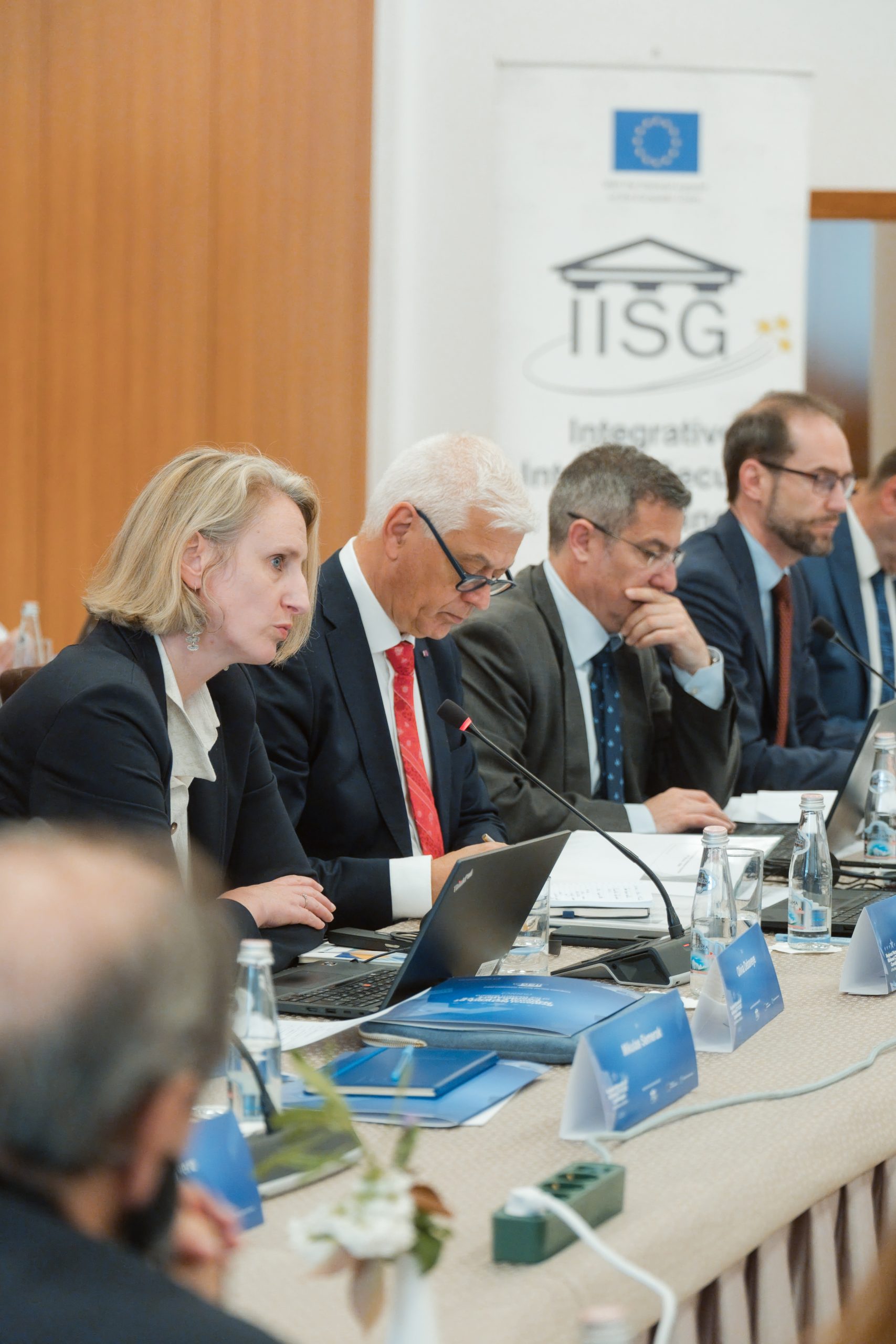
The meeting was also addressed by representatives of the European Union, including the DG ENEST Representative, Ms. Olivia De Debaveye; the EU Regional CT Security Advisor, Mr. Eddy Greif; the Representative of the EU Counter-Terrorism Coordinator, Mr. Albin Slabe; and the Representative of the OSCE Presence in Albania, Mr. Davide Casale.
During the meeting, the participants addressed the current security situation in relation to the conflicts in the Middle East and their potential impact on the Western Balkans, with a particular focus on risks related to radicalization and violent extremism leading to terrorism.
Particular attention was given to the situation in the camps in Syria and the movement of Foreign Terrorist Fighters towards Iraq, reinforcing the importance of sustained coordination and a coherent regional approach.
Furthermore, representatives from each Western Balkan country presented updates on the measures foreseen in their respective National Roadmaps developed within the framework of JAP II. The discussions centered on the progress achieved, the challenges encountered, and the next steps toward the effective implementation of the commitments undertaken.
The meeting reaffirmed the importance of regional cooperation, the exchange of best practices, and policy harmonization, with a view to strengthening security and resilience against violent extremism in the Western Balkans.